Parenting with Depression - Group

Parenting with Depression
and other emotional intensities
PARENTING WITH DEPRESSION is a WhatsApp Group for parents facing depression, trauma, anxiety, grief, and other significant emotional states. The purpose is not to heal or shift those emotional states (though that’s a welcome influence), but to understand how we can safely face these difficult feelings, which we know to be real, without negatively impacting our children.
Depression and Trauma
Two years ago, I went through a significant period of grief and depression. I lost my home, my financial security, and the woman I loved. I was overwhelmed and flooded with difficult emotions every day for weeks and months. This triggered unwanted and shameful feelings in me from an early childhood trauma when my mother died suddenly. I was 14 months old. As I explored (and resisted) those feelings, it became obvious to me that I needed to stay with some of those sensations in order to bring healing into my body.
I’m grateful to say that I did that. I am no longer depressed. In fact, I’m in a period of life where I am thriving. I recently completed 10 years of forest school with my students and am collaborating with people and communities on what feels like my life’s work. I have a new partner in my life, a wonderful home and garden, and good friends. Of course, like all humans, I continue to face difficult feelings from time to time, but now with a much improved awareness of their impact.
What caught my attention, during this period of depression and after, is that my daughter thrived. She’s 14. She’s confident, intelligent, and outgoing. She begins high school in the fall. We are very close, yet when I went through this period of depression (which was nearly 2 years), she didn’t:
get depressed with me
feel responsible for making me feel better
hate or resist the loss of my fun, loving self
get entwined with me in weird codependent ways
How did we manage to do that?
I like honest questions, not simplified answers. I have insight to share, but I am not a licensed therapist and I don’t like when people pretend to have complete or final answers. This group is about inquiry. It’s about listening. As a teacher and parent, I have witnessed that excellent learning and growth in a child or student (including myself) is usually attended with space for that person’s internal inquiry and process. It is possible to present or teach information, but if it doesn’t spark that internal wrestling match with one’s own ways of thinking, it’s often weak and flaccid learning, and therefore easily lost.
Having talked with many friends, counselors, and elders, I now recognize that my daughter and I managed to navigate a dark passage without either of us leaning too heavily on one or the other. Somehow, we loved each other while escaping a very common pattern of unhealthy co-dependent emotional dynamics.
If you want to explore this subject with me and a group of willing adults, sign up using the link below. There is no cost and you may leave the group at anytime.
Context within Male/Female Dynamics
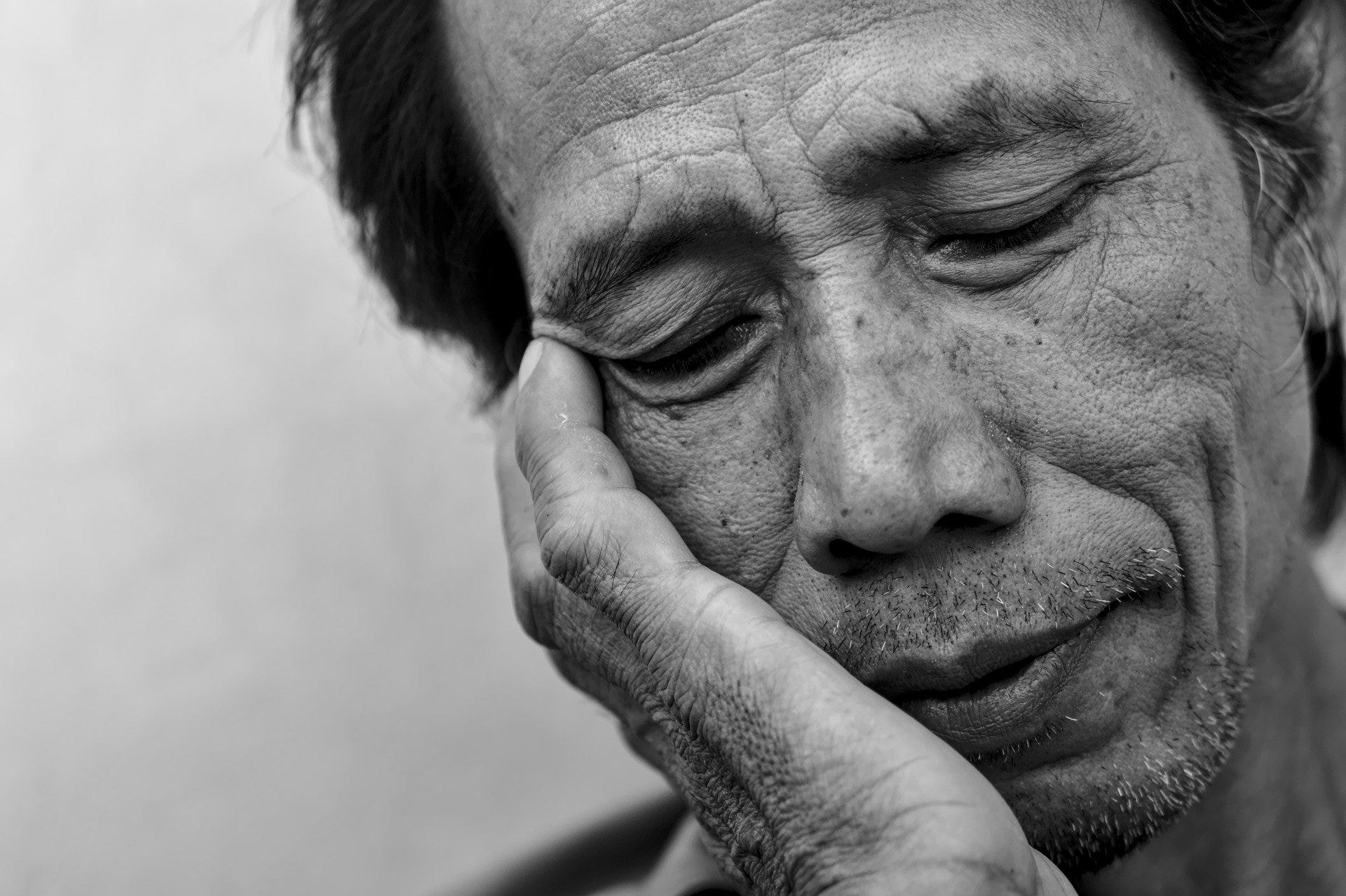
When I speak with adult women about the journey my daughter and I went on, I find that many of them react with surprise, excitement, but also intensity and regret. Men too. People often speak to me of having felt responsible for caretaking their parents’ feelings (especially their father’s). Women in particular then find themselves repeating this pattern in adult relationships, where they feel obligated to witness and manage their male partner’s or friend’s emotions. It’s a dynamic many have come to regret. Some have escaped it. Others less so. How did my daughter and I avoid this?
Or, here’s a better question - Did we? I believe it is fair to say that we navigated this time in a healthy way, but as I said earlier - I dislike acting like I’ve done something right and now I know how to repeat it for myself or someone else. I prefer asking questions, leaving room for disagreement, and learning with others in a shared peer-oriented space where we retain the autonomy to take any discussion into our own hearts, agree or disagree, and find our unique expression of behavior and truth.
See the following 4-min video for how I tried to do that with my daughter, and let her speak for herself. It’s a good example of how I will facilitate the group.
The Importance of Feeling
Our culture is under a lot of pressure right now. Many parents are facing personal, financial, and political stress, as well as their own histories of personal trauma. Thankfully, we’re better able to talk about these things today than in previous generations. We’re less likely to ignore or turn away from intense emotions and “toughen up.” We see the benefit of self-growth, and how it often requires us to face dark feelings like anxiety, depression, and grief. I think this is a huge improvement, and many of us recognize it in our friendships, partnerships, and the ways we’re raising children.
Sometimes, of course, facing those feelings comes with a sense of urgency for someone to help or understand how we feel, and often we reach out to the people closest to us. Today, many of us are single parents raising single children. There’s literally millions of us. There are beautiful experiences to be had like this, but also the danger of pulling our kids too close as we face our own inner turmoil, turmoil that deserves attention and expression in order to be released and bring the possibility of healing and new growth.
How do we give our attention to those legitimately difficult feelings without irresponsibly dragging our loved ones (and especially our kids) along with us and unwittingly holding them responsible for our emotional safety and wellbeing?
I’m excited to hear myself ask that question.
Joseph Sarosy
I am the author of How to Tell Stories to Children (22 languages worldwide), Off Grid Kids, and this publication Juniper Heartwood. In 2018, I created the Juniper School, a forest school in northern New Mexico, then spent 8 years teaching a group of children outdoors from 1st to 8th grade. We graduated in May 2026. I am a founder and grant recipient in the VELA Network, an innovator of Indie Education, and am currently supporting individuals and communities seeking alternative paths to education for their children. I also facilitate a project called Play Ground, a WhatsApp group for adults who want to reawaken simple heartfelt playfulness in daily life. It is my goal to learn how to facilitate and teach play for ages 2 to 92, not as a solution to life’s challenges, but as a supporting and no-cost ingredient in the richness of life.